Insulated doors
Will foam in the door change how the garage feels?
- Three builds, compared on site
- Springs matched to the new weight
- 10% off a new door
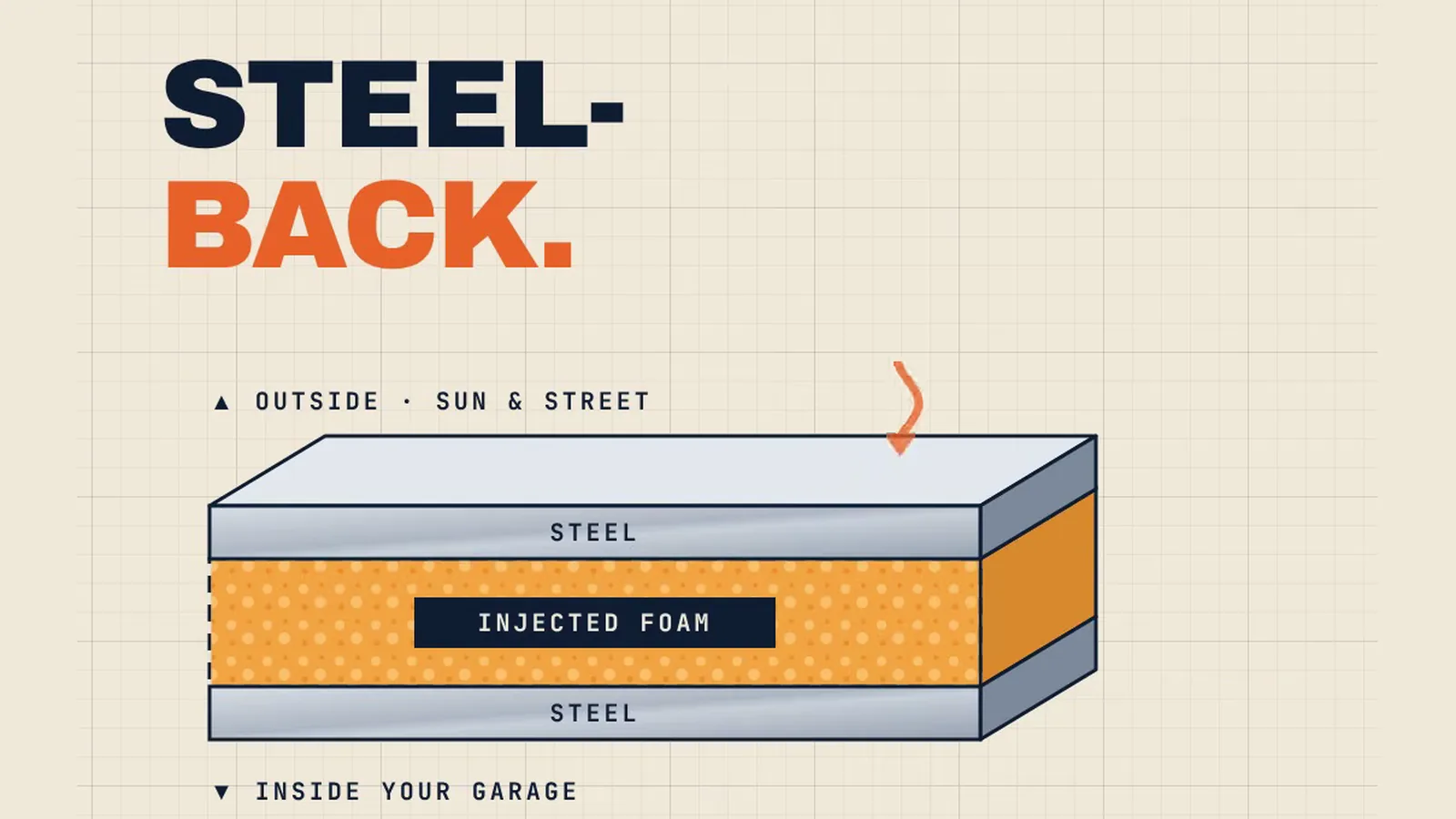
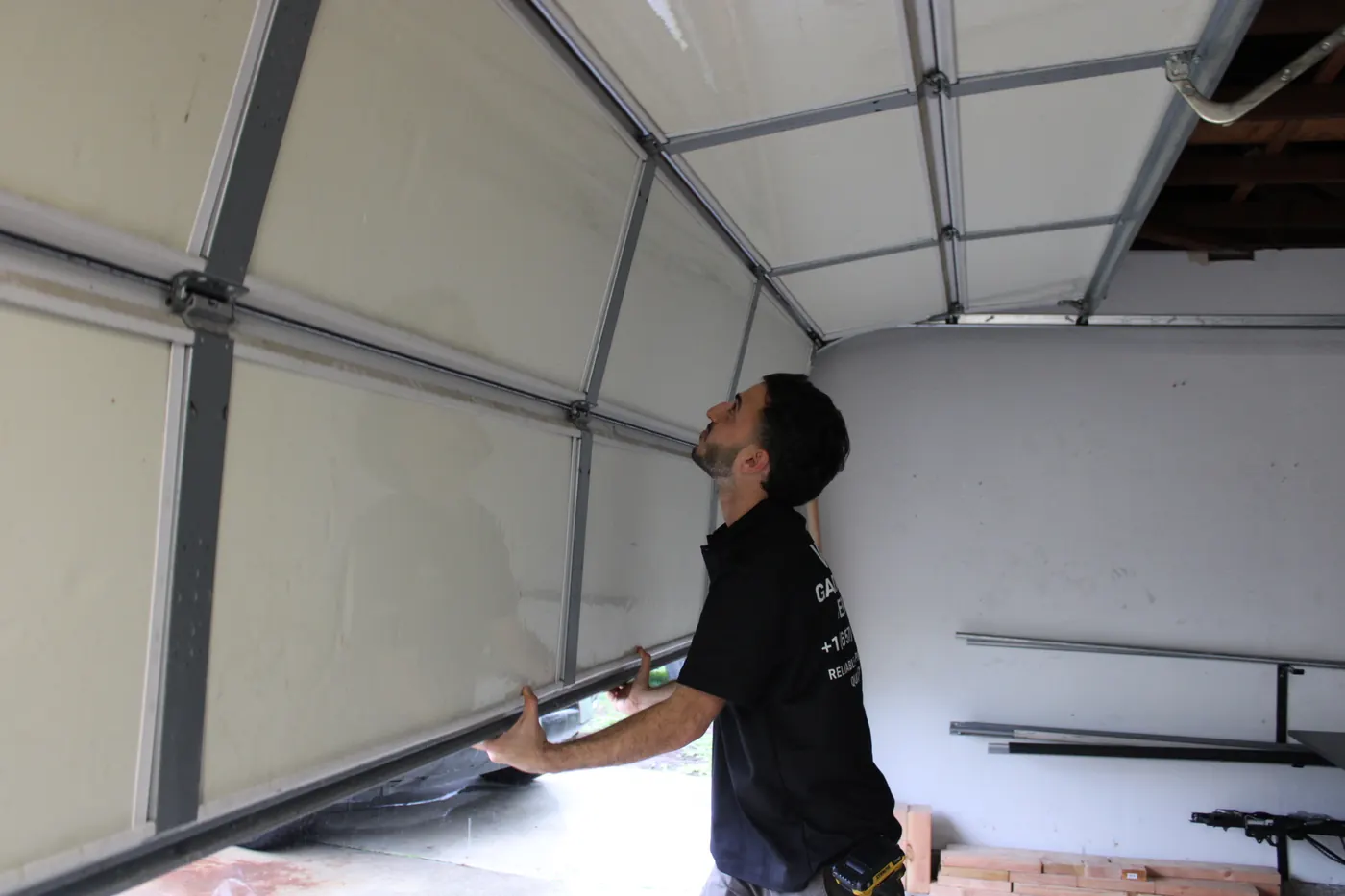
Insulated garage door installation is a comfort choice, not a curb-appeal choice. From the driveway, a hollow steel skin and a foam-filled door can look the same. Turn a panel around and the inside is one of three builds: a single face with nothing behind it, foam board under a cover, or foam shot in until two steel faces lock together.
The rooms that share a wall with the garage are where heat and noise show up. A gym, a workshop, or a bedroom over the opening is the usual reason to step up. Poly-back and steel-back are the two insulated builds we hang; a door with no foam stays on the list when the garage only parks a car. Ron's short from October 17, 2026 walks the three builds, and the insulation guide has the same comparison in diagrams. Color and windows sit on the installation page. If the old door is leaving entirely, start at replacement. The cities we cover page lists Orange County.
Want the garage cooler or quieter?
A free measure compares poly-back and steel-back at your opening.
What an insulated install includes
Foam adds weight, so the hardware is chosen for the door going in, not the one coming out.
Measure, then compare
Width, height, and the room above and beside the opening come first. Then the two foam builds sit next to a door with no foam, plus color and window choices.
Old door down
Spring tension comes off before any section is unbolted. Ask when you book whether the old door leaves with the truck. That answer goes on the estimate.
Hung for the added weight
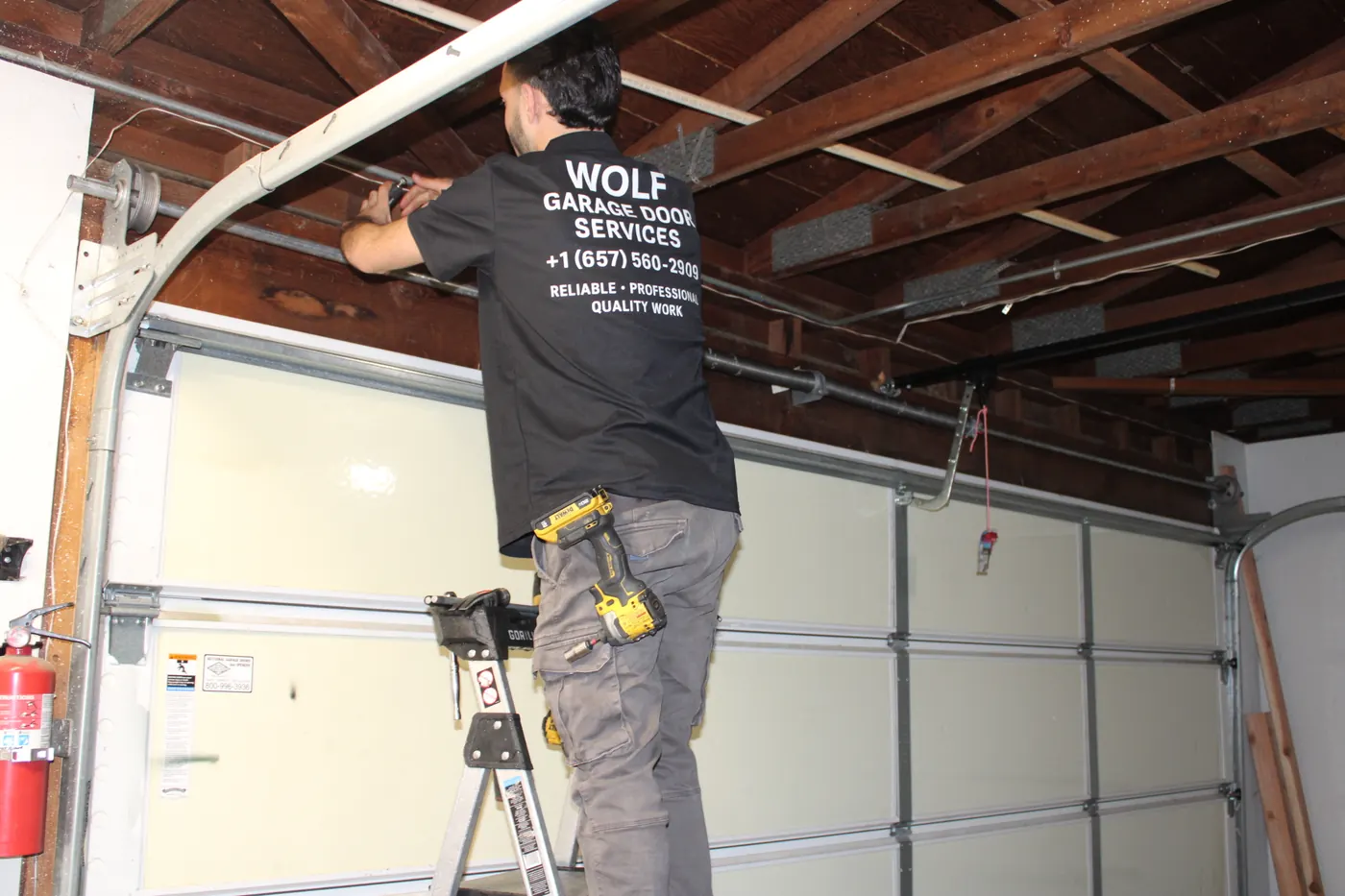
New sections, cables, track, and a bottom seal. The springs are wound for this door. Copying the old wind is how a heavier door feels stuck.
Opener checked after the hang
A healthy motor can stay. If it labors under the extra weight, a replacement is priced beside the door, and the auto-reverse is run before we leave.
Three ways a steel door is built
Non-insulated
One steel face and an open back. Lowest cost of the three. On Ron's chart it sits last for stiffness and for quiet, and the insulation line is blank. Heat passes straight through.
Poly-back
Foam board behind the outside steel, then a backing, so the garage side is covered instead of bare. Mid chart for stiffness, quiet, and insulation. Ron's line: better temperature, and quieter.
Steel-back
The build Wolf recommends. Steel on the garage side too, with foam injected until it bonds the skins. Ron's short verdict: strongest, quietest, best insulated. Less flex, and the panel holds its shape.
When foam earns its place
This is about how the garage is used:
- The garage shares a wall with living spaceThat opening is a large surface between the weather and the house. A single skin lets heat move through fast.
- You train, work, or spend time in thereA door you hear, and a room that overheats, gets old once the garage is more than parking.
- The door rings or flexes when you tap itA hollow skin is the loud, floppy end of the chart. The two-skin build is the stiff, quiet end.
- The bottom is rusting throughSalt air along the coast works through steel after the finish fails. That is a replacement, so compare foam builds while you choose.
- Someone sleeps above the garageThe room overhead gets the door's noise and the heat that stacks under it. A quieter, foam-filled door helps both.
Safety first. Leave the springs alone, and don't pull an old door down yourself. Foam-filled doors weigh more than a single skin, and a wound spring can cause serious injury.
Why homeowners ask Wolf about foam-filled doors
10% off a new door
Say you want the install coupon when the measure is booked.
An honest no
A detached garage that only stores a car may not need foam. We will say so.
License and bond
CSLB #1155503, C-61 / D28, and a $25,000 contractor bond.
Any hour
Call or text to set the measure, weekends included.